Record the evidence
Collect invoices and part numbers. Confirm whether the injection pump, water pump, thermostat, fan clutch, and short block were actually rebuilt or replaced.
The Garage Vehicle 001
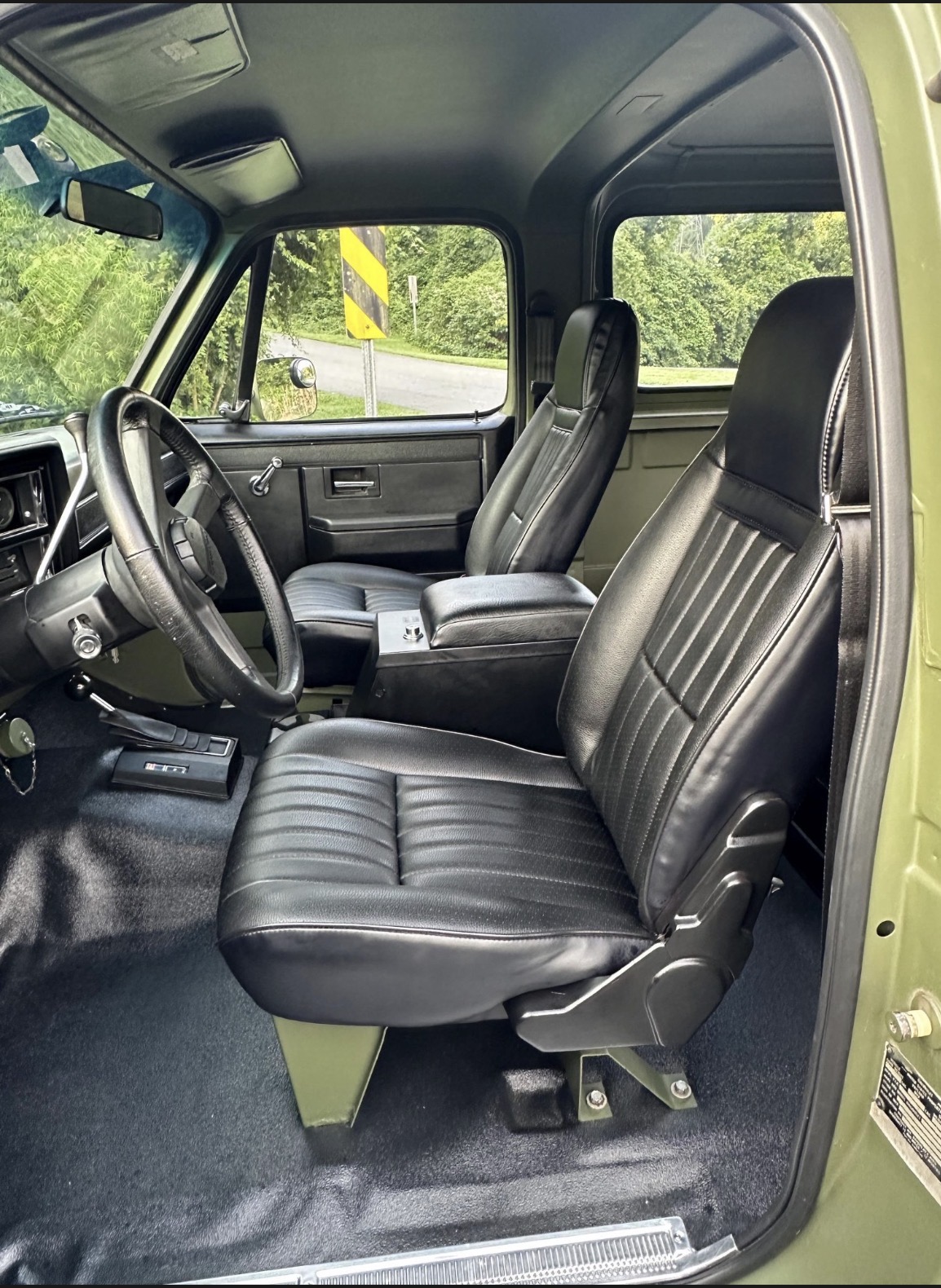
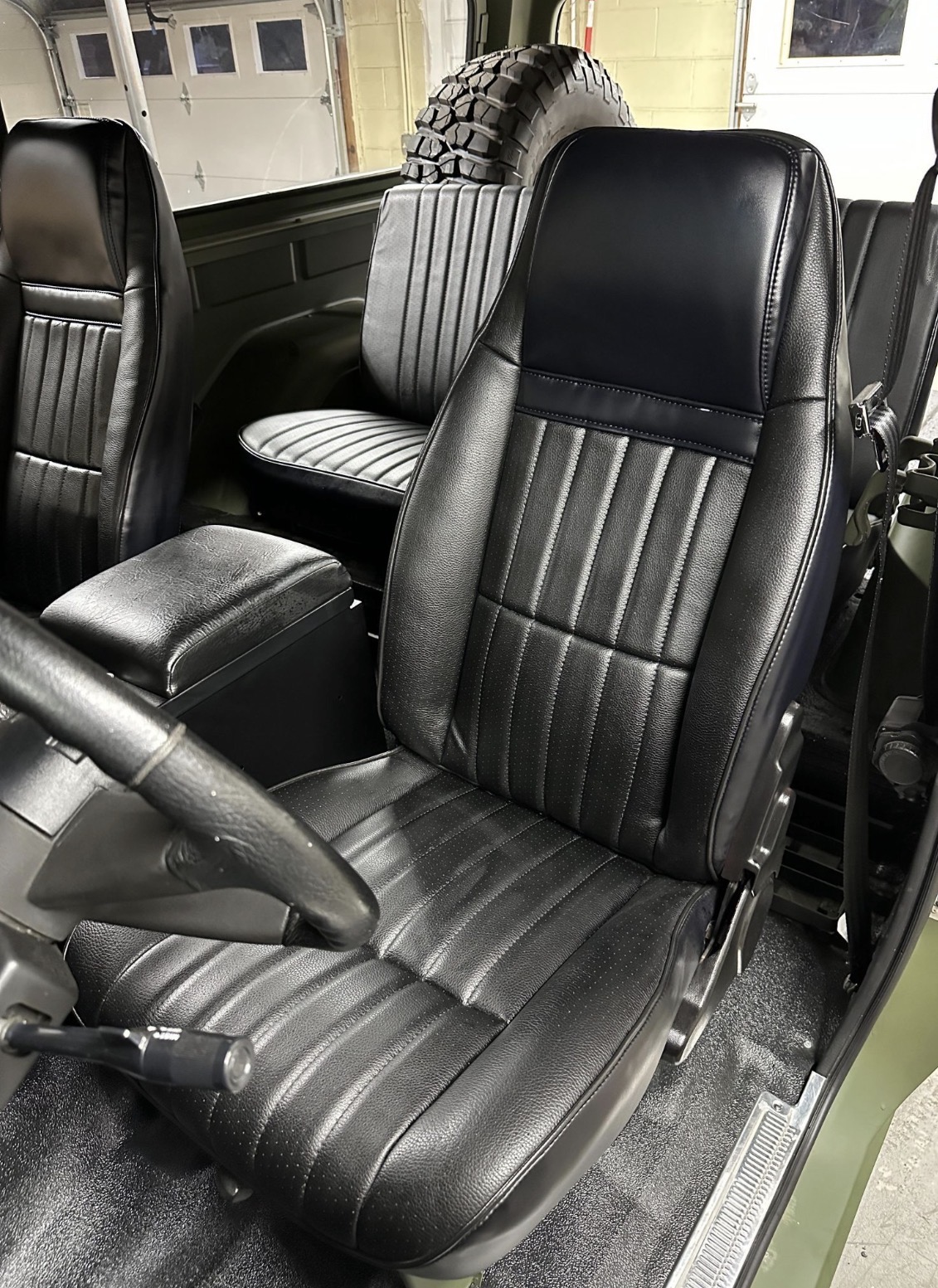
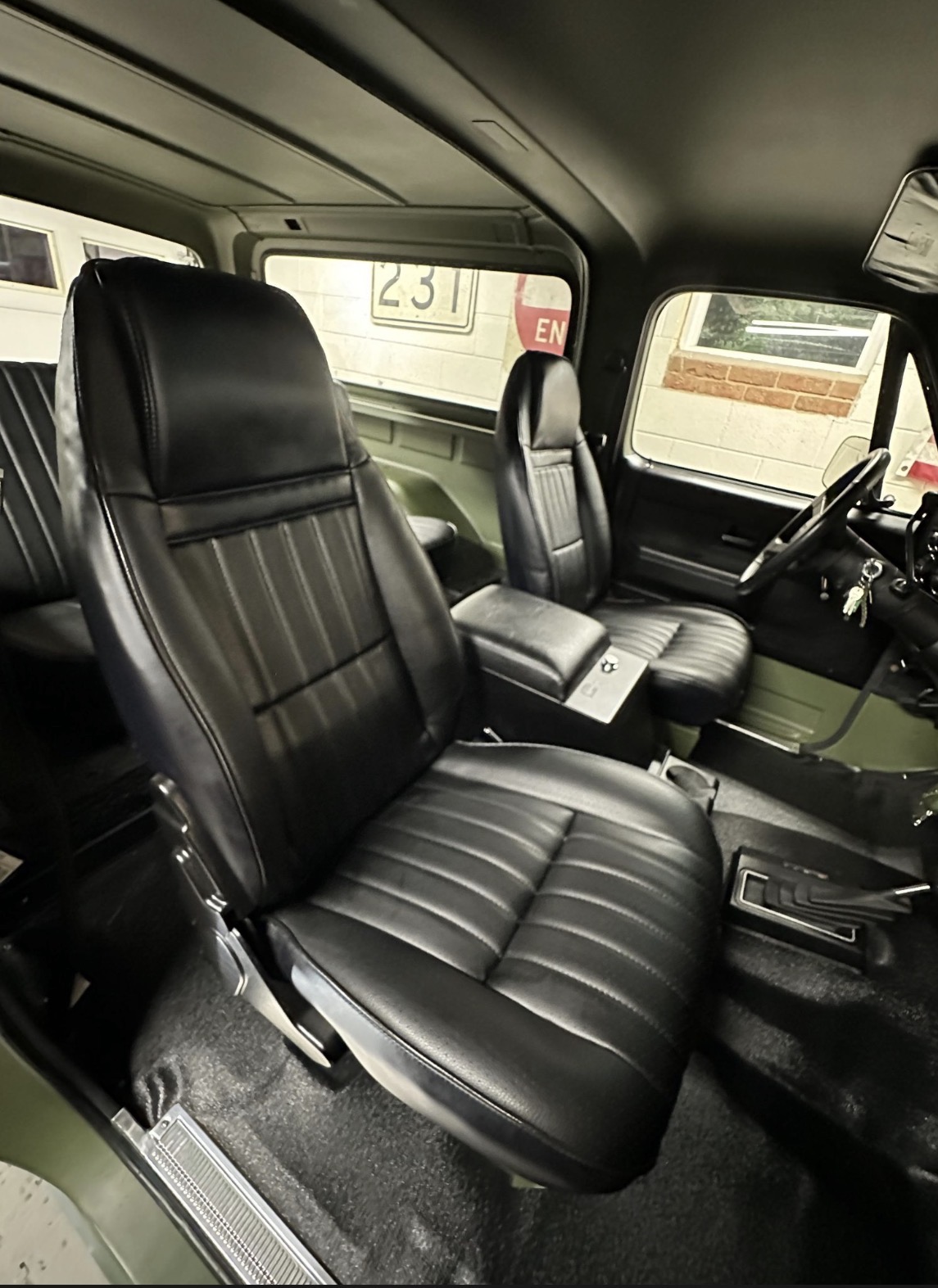
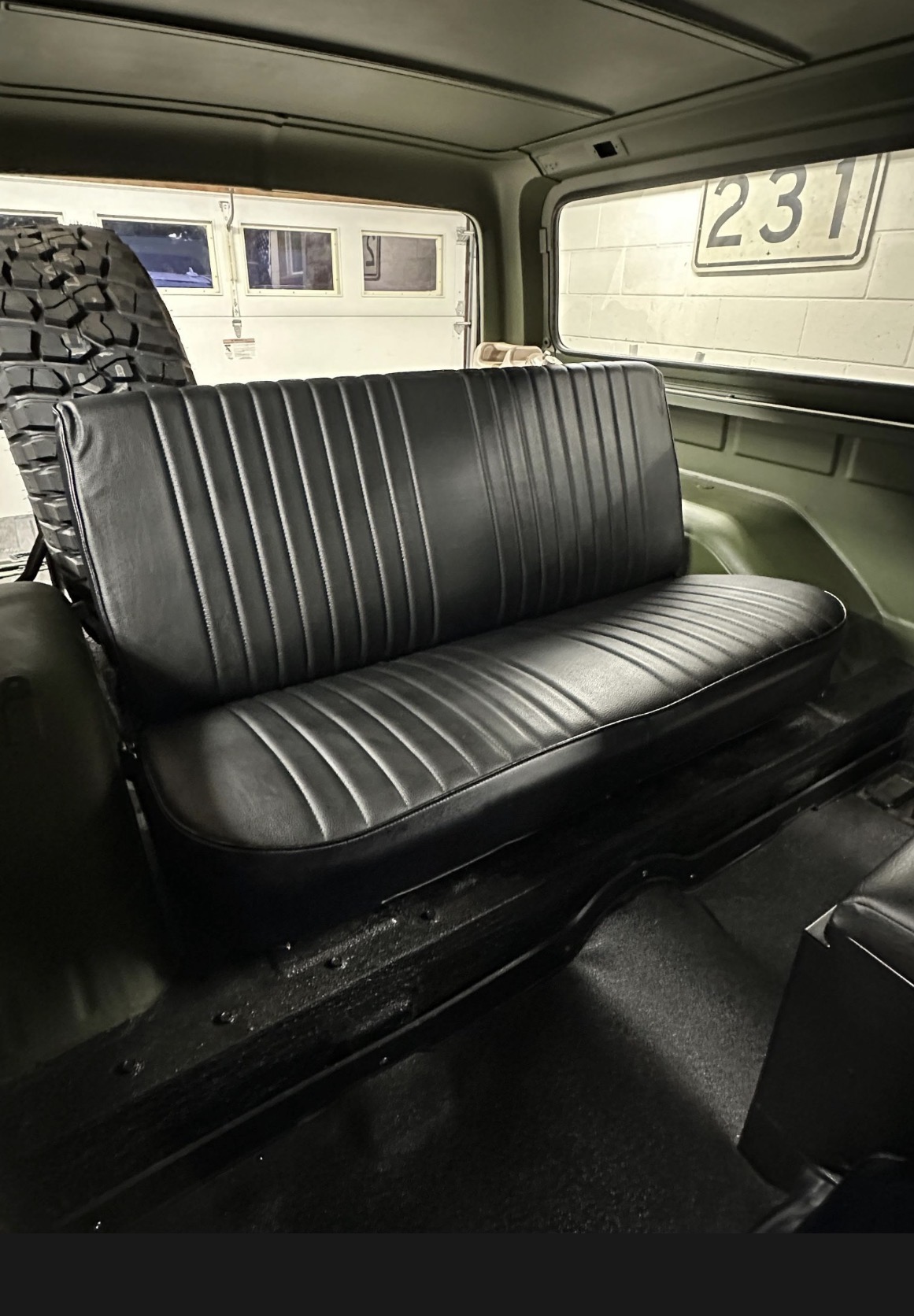
Chevrolet Blazer · CUCV · Military diesel 4×4
A working record of the truck: what it is, what has been done, what needs watching, and the projects that will make it more useful without erasing its character.
The mission
This M1009 came with many worthwhile updates: replacement cylinder heads, injectors and injector lines, a harmonic balancer and radiator, a Doghead starter-relay modification, a Duramax-style fuel filter, LED instruments, a transmission cooler, and stainless exhaust.
The smart first season is not about adding power. It is about verifying the work, establishing reliable measurements, cleaning up questionable wiring, and driving the truck enough to know what it actually needs.
Living field manual
This public guide collects the technical work plan. Receipts, title information, ownership records, and other private documents remain off the site.
Collect invoices and part numbers. Confirm whether the injection pump, water pump, thermostat, fan clutch, and short block were actually rebuilt or replaced.
Use diesel-rated oil and a quality filter; inspect the air and fuel filters, belts, hoses, clamps, coolant, TH400 fluid, transfer-case fluid, and axle lubricants.
Log cold-start time, cold and hot oil pressure, uphill coolant temperature, smoke, blow-by, injection timing, idle speed, and charging voltage at both batteries.
Verify the starter rear brace, crank pulley, fuel-return hoses, lift-pump plumbing, oil-cooler lines, cooling system, vacuum controls, and all eight glow plugs.
Map the 12/24-volt system before altering it. Load-test both batteries and alternators, clean the grounds, and replace exposed or poorly crimped repairs with sealed connections.
Do not turn up the injection pump, add a turbo, redesign the charging system, or replace major parts on age alone. Let actual readings guide the work.
Projects in development
The current direction is a padded cradle beneath the fiberglass top, lifted from approved building structure with independent safety straps. The rack, glass, and thin fiberglass roof skin carry no lifting load.
Final structure, attachment points, load ratings, and overhead mounting must be verified by a qualified fabricator or engineer.
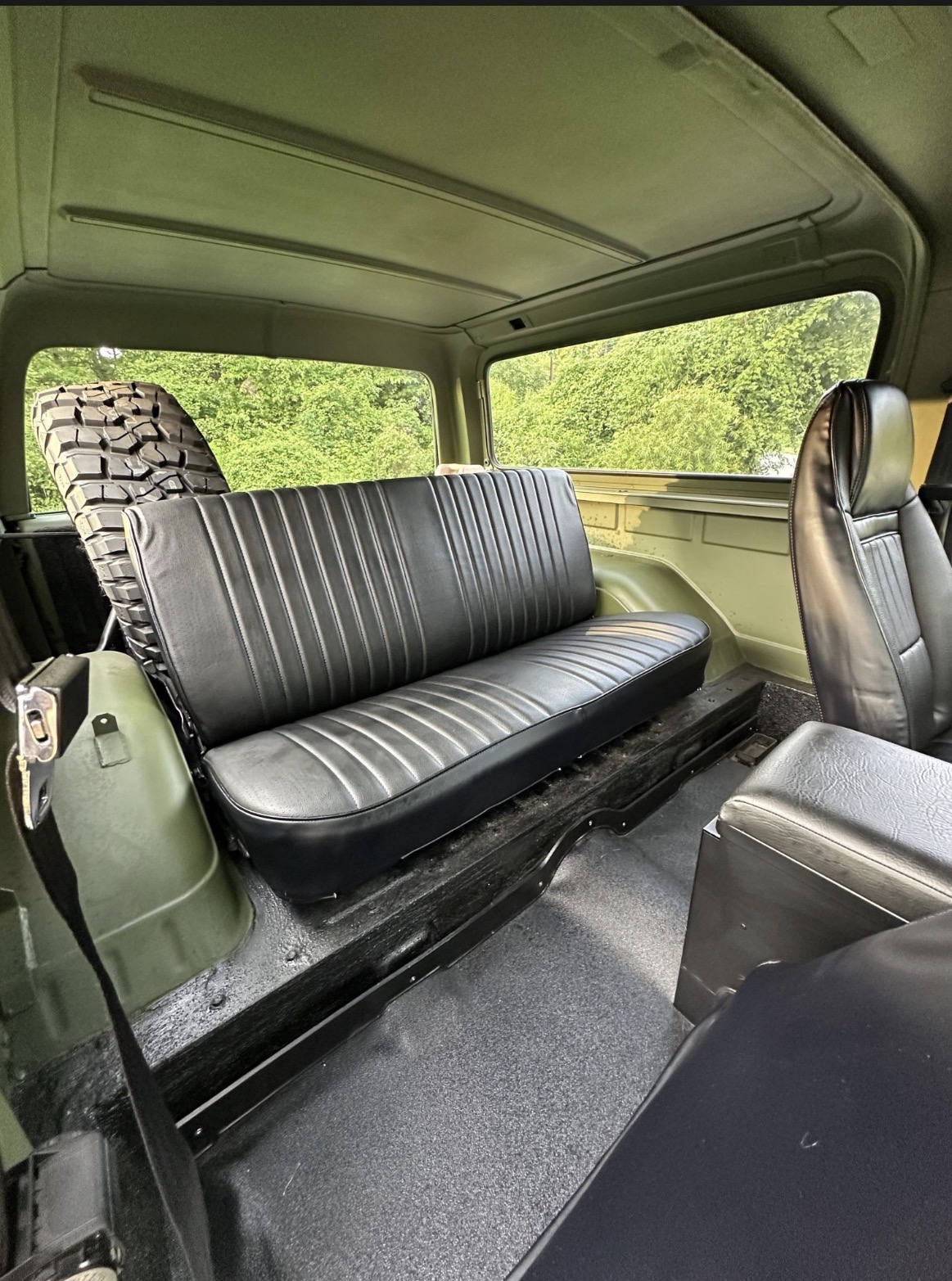
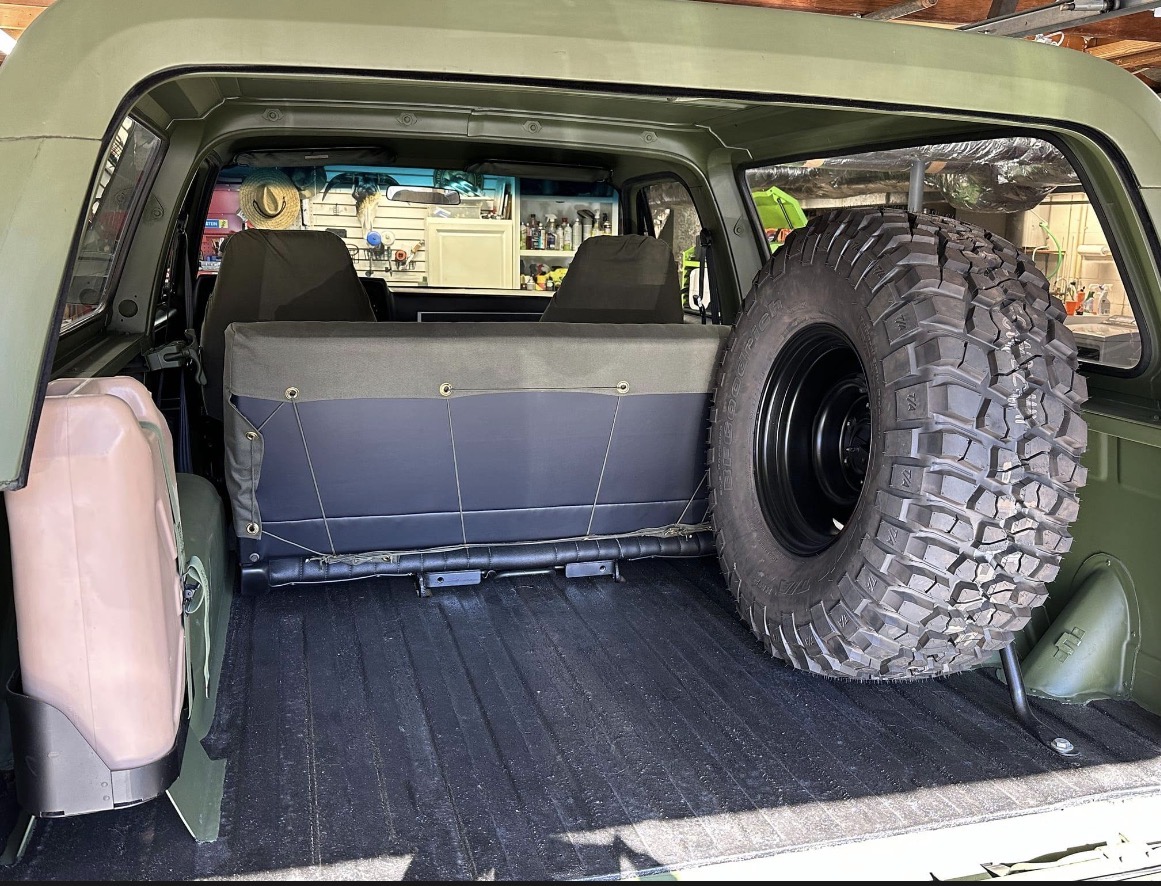
A low-profile black 6061-T6 aluminum rack on the removable hardtop, sized provisionally around 54–56 inches wide and 64–70 inches long. A long rod carrier can project over the cab without attaching to it.
All dimensions and every drilling location remain “verify on truck.”
Vehicle record
Next entry
Once the M1009 is in the shop, this record will grow with cold-start data, fluid baselines, wiring diagrams, receipts, part numbers, hardtop measurements, and completed work.